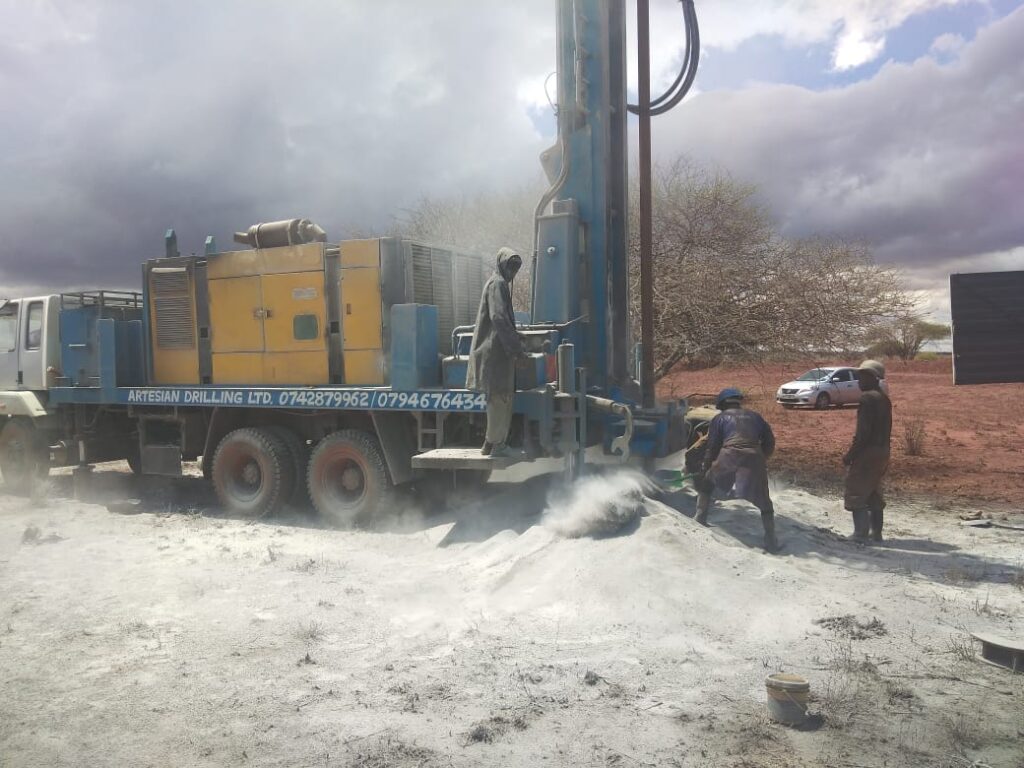
If you’re searching for drilling services, you’re likely dealing with one of a few needs: a new water well, geotechnical testing before construction, borehole drilling for irrigation, or exploratory drilling for a commercial project. Whatever the reason, choosing the right drilling company affects everything from project cost to long-term reliability. This guide breaks down the types of drilling services available, what drives pricing, and how to pick a contractor you can trust.
What Are Drilling Services?
Drilling services cover the equipment, expertise, and labor needed to bore into the ground for a specific purpose. Common types include:
- Water well drilling – for residential, agricultural, or municipal water supply
- Geotechnical drilling – soil and rock sampling before construction to assess ground stability
- Borehole drilling – for irrigation, dewatering, or groundwater monitoring
- Exploratory/core drilling – used in mining and mineral exploration to sample subsurface material
- Directional drilling – for laying pipes or cables underground without open trenching
Each type requires different equipment and expertise, so it’s worth confirming a company specializes in the specific service you need rather than assuming all “drilling services” are interchangeable.
Why Professional Drilling Matters
Drilling isn’t a DIY job. A poorly planned or executed borehole can lead to:
- Contaminated water supply (if casing and sealing aren’t done correctly)
- Structural issues from unstable ground data
- Regulatory fines for non-compliant wells or boreholes
- Costly re-drilling if the first attempt misses the water table or bedrock depth
A professional drilling company brings licensed operators, calibrated equipment, and knowledge of local geology and regulations — all of which reduce the risk of expensive mistakes.
What Affects Drilling Costs?
Several factors influence how much a drilling project will cost:
- Depth required – deeper wells or boreholes mean more time, materials, and casing
- Ground conditions – rock, clay, or loose soil all require different techniques and can slow progress
- Site accessibility – remote or hard-to-reach locations may need special equipment transport
- Permitting and compliance – some regions require permits, inspections, or environmental assessments
- Casing and finishing – materials used to line and seal the well affect both cost and longevity
Getting a detailed, itemized quote upfront helps you avoid surprise costs later.
How to Choose the Right Drilling Company
When comparing drilling contractors, look for:
- Licensing and insurance – confirm they’re certified to operate in your state/region
- Relevant experience – ask for examples of similar past projects (same drilling type and ground conditions)
- Modern equipment – well-maintained rigs reduce delays and improve accuracy
- Clear, written quotes – avoid vague estimates; get depth, materials, and timeline in writing
- References or reviews – past client feedback is one of the best indicators of reliability
It’s also worth asking how they handle unexpected conditions (like hitting solid rock earlier than expected) — a transparent company will explain how that affects cost and timeline before it happens, not after.
Frequently Asked Questions
How long does drilling typically take?
Depending on depth and ground conditions, most residential water wells take 1–3 days. Larger geotechnical or commercial projects can take longer.
Do I need a permit to drill a well?
In many regions, yes. Requirements vary by location, so check with your local water authority or ask your drilling contractor — reputable companies handle permitting as part of their service.
How deep does a well need to be?
This depends entirely on the local water table and geology. A site assessment is the only reliable way to know before drilling begins.
Do I need a permit to drill a well?
In many regions, yes. In Kenya specifically, all boreholes require prior approval from the Water Resources Authority (WRA) before drilling and abstraction can begin — reputable drilling companies handle this permitting process as part of their service.
Ready to Get Started?
Whether you need a new water well, a geotechnical survey, or borehole drilling for your property, working with an experienced team makes the difference between a smooth project and a costly redo. Contact us today for a free site assessment and quote.